How to Choose the Right Niagara Falls Boat Tour for Your Visit
Start With the Basics: What Each Tour Offers
Before you compare ticket options or check departure times, spend a few minutes understanding the two main boat experiences that operate near the falls. Both take you close to the base of the cascade, but they differ in route, vessel size, and onboard atmosphere. The classic choice is the Maid of the Mist, a name that has been running sightseeing trips since the mid-1800s. Its blue-ponchoed passengers board a double-deck boat from the U.S. side and sail into the spray at the base of the American Falls and Bridal Veil Falls before crossing to the Canadian Horseshoe. The other option is Hornblower Cruises, which operates from the Canadian shore and uses larger, newer boats with both indoor and outdoor decks. Hornblower boats run a similar route but spend more time near the Horseshoe, giving you a longer look at the most powerful section of the falls.
Both tours last roughly twenty minutes once you are on the water, but the full experience, from queuing to boarding to drying off, takes closer to an hour. That duration matters when you are planning the rest of your day. If you are on a tight schedule, a shorter queue time or a more frequent departure may influence your decision. Many visitors assume all boat tours are the same, but the subtle differences in vessel design, boarding location, and route can change what you see and how wet you get.
Step 1: Decide Which Side of the Border You Want to Be On
Your choice of tour starts with geography. The Maid of the Mist departs from the American side, near the Observation Tower at Prospect Point. Hornblower Cruises leaves from the Canadian side, just north of Table Rock Welcome Centre. If you are already staying in New York State and do not plan to cross into Canada, the Maid of the Mist is your only option. If you are based in Ontario or hold a passport and want to see the falls from the Canadian shore, Hornblower offers a different perspective. The Canadian side gives you a head-on view of the Horseshoe Falls as you approach, while the U.S. side route lets you see both the American and Bridal Veil falls up close before turning toward the Horseshoe. Neither view is better, they are simply different. Your passport, your accommodation, and your willingness to cross the border will naturally narrow the field.
Step 2: Consider the Time of Day and the Season
Boat tours run from early spring through late fall, typically starting around mid-April and ending in early November. Summer months bring longer operating hours and more frequent departures, but they also draw the largest crowds. If you visit in July or August, a morning departure (before 10 a.m.) helps you avoid the heaviest lines and gives you calmer water conditions. Late-afternoon tours, especially those close to sunset, offer softer light for photography and a cooler temperature on deck. During the spring and fall shoulder seasons, the water is colder and the wind can be stronger, so you will want to dress in layers under the rain poncho. Some evening cruises in summer include the falls illumination, where coloured lights shine on the cascades after dark. That is a separate ticket and usually runs later in the evening, but it adds a completely different mood to the ride.
Step 3: Look at Ticket Pricing and What It Includes
All boat tour tickets include the ride itself and a souvenir rain poncho. The poncho is not optional, you will need it. The spray from the falls is forceful enough to soak you through within seconds, and the poncho keeps most of you dry. The Hornblower poncho is clear plastic with a drawstring hood, while the Maid of the Mist version is a light blue disposable-style hooded cover. Neither is reusable for a second trip, but both do the job. Some ticket packages bundle the boat ride with admission to nearby attractions, such as the Niagara Falls State Park observation deck or the Journey Behind the Falls on the Canadian side. If you plan to visit multiple sites, a combination ticket can save you time and a little money. Pricing varies by season and operator, so check the official websites for current rates before you go. Online reservation is available for both tours and is recommended during peak months, because walk-up tickets may sell out by midday.
Step 4: Check the Weather and Wind Conditions
The boat tours run in light rain and moderate wind, but they may be cancelled or delayed in thunderstorms, high winds, or fog. The operators monitor conditions closely and will not launch if it is unsafe. Before you book, check the local forecast for the day of your visit. A cloudy morning often clears by noon, but a forecast of steady rain or gusty wind could make the ride less enjoyable. The boat tour duration is short enough that you can usually wait out a passing shower, but if the wind is blowing the spray sideways, you will get wet regardless of the poncho. In that case, consider a later departure or a different day. If you are flexible, booking a ticket that allows you to change the date or time gives you peace of mind.

Step 5: Understand the Onboard Experience
Once you board, the boat moves slowly out of the dock and accelerates as it heads toward the falls. The Hornblower boats have enclosed lower decks with large windows and open upper decks with railings. The Maid of the Mist uses open upper decks on both levels, so everyone is exposed to the spray. On both tours, the captain will bring the boat close enough that you feel the mist on your face and hear the roar of the falling water. The front of the boat gets the heaviest spray, while the rear stays slightly drier. If you want to take photos without fogging your lens every few seconds, position yourself near the back or on the side away from the wind. The entire ride lasts about twenty minutes, but the sensation of being that close to the falls makes it feel both shorter and longer. You will exit the boat feeling refreshed, slightly damp, and with a memory that stays with you longer than the poncho does.
Step 6: Plan the Logistics Around Your Boat Tour
Arrive at the ticket booth at least thirty minutes before your departure time. You will need to queue for boarding, and during busy periods the line can stretch along the waterfront. Wear shoes that can get wet, sneakers or sandals are fine, but leather soles and high heels are a mistake. Leave large backpacks, umbrellas, and extra layers in a locker or in your car, because the boat decks have limited storage and you will want your hands free. After the ride, you will be damp and a little chilly, so bring a dry shirt or a light jacket to change into. The exit area on both sides has restrooms and sometimes a small changing space. If you are visiting from out of town, consider parking at a lot a short walk from the boarding area, because the lots closest to the falls fill early and cost more.
When you are ready to finalize your plans, the simplest way to secure your spot is to book niagara falls boat tour online from the official operator’s website. That single step saves you time at the ticket window and guarantees your departure time. Most tickets are non-refundable but can be exchanged for a different date or time if you contact the operator in advance. If you are traveling with children under five, check the height and age requirements, some boats require a minimum height for safety reasons. Toddlers can ride, but they must wear a life jacket and sit in a parent’s lap during the trip. The crew will provide the life jacket and show you where to stow it after the ride.
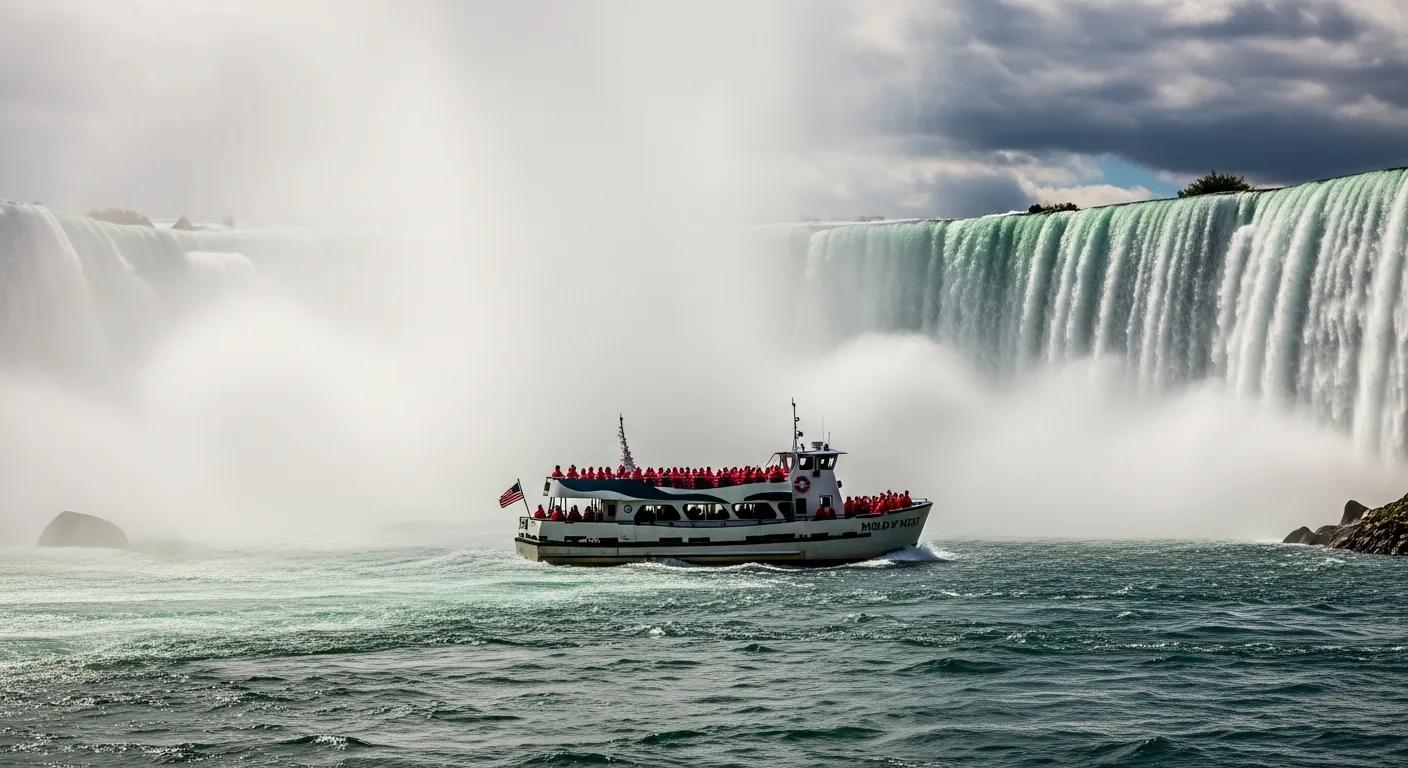
After your tour, you will understand why the boat ride is the most popular way to experience the falls. The spray, the noise, and the sheer scale of the water are impossible to appreciate from the lookout points alone. A boat tour puts you in the middle of it, and choosing the right one depends on your side of the border, your schedule, and your tolerance for crowds. Take the time to compare the options, and you will walk away with a dry phone, a wet poncho, and a story worth telling.